The World Health Organization (WHO) recommends person-centred approaches to support people living with HIV in the management of their care and to support HIV prevention among key populations and other people with increased vulnerability to acquiring HIV. Person-centred care (PCC) is an approach to care that consciously adopts the perspectives of individuals, caregivers, families and communities as participants in, and beneficiaries of, trusted health systems organized around the comprehensive needs of people rather than individual diseases and respects social preferences. Evidence shows that PCC approaches reduce HIV-related mortality and morbidity and improve health-related quality of life. Based on a global consensus-building process, IAS – the International AIDS Society, WHO and partners have published a roadmap for scaling up PCC in the HIV response. The roadmap outlines the necessary roles and actions for different stakeholders to realize the full potential of PCC. To further promote the operationalization of the roadmap, this session will assess a range of barriers and facilitators on the path to operationalizing the roadmap to scale up PCC in the HIV response. Charting a way forward, PCC advocates will outline the barriers and facilitators impacting access to person-centred care for their communities based on their lived and professional experience. By fostering shared learning and dialogue, the session aims to further accelerate adoption of PCC and strengthen our collective commitment to transforming HIV responses around the needs, rights and priorities of people living with and affected by HIV.
Barriers and facilitators of person-centred care for key and vulnerable populations
Chairs
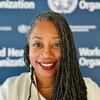
Clarice Pinto
World Health Organization

Andrew Spieldenner
MPact Global Action
Speakers

Andrew Spieldenner
MPact Global Action
Welcome
- presentation-slides_333.pptx (11.45 MB)
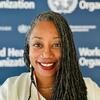
Clarice Pinto
World Health Organization
Setting the scene
- presentation-slides_334.pptx (23.14 MB)

Pank Sethi
Positive East
Systemic factors driving health-related quality of life for justice-involved communities
- presentation-slides_335.pptx (6.04 MB)

Daisy Kwala
Bar Hostess Empowerment& Support Program
Protecting HIV treatment gains for female sex workers during funding disruptions through person-centred transition support
- presentation-slides_336.pptx (2.74 MB)

Princess Jauan Durbin
Southern Legal Center for Youth
Protecting and advancing HIV prevention access for young, Black, queer communities
- presentation-slides_337.pptx (1.31 MB)

Maria Felipe Medeiros
Instituto de Infectologia Emílio Ribas / Casa da Pesquisa CRT-SP
Systemic factors driving care quality for trans, travesti and non-binary populations
- presentation-slides_338.pptx (3.18 MB)

Rodenie Olete
Sustained Health Initiatives of the Philippines (SHIP)
When the roadmap meets reality: Operationalizing person-centred care in community-based HIV clinics in the Philippines
- presentation-slides_339.pptx (32.94 MB)
Panel
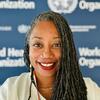
Clarice Pinto
World Health Organization

Daisy Kwala
Bar Hostess Empowerment& Support Program

Andrew Spieldenner
MPact Global Action

Princess Jauan Durbin
Southern Legal Center for Youth

Pank Sethi
Positive East

Maria Felipe Medeiros
Instituto de Infectologia Emílio Ribas / Casa da Pesquisa CRT-SP

Rodenie Olete
Sustained Health Initiatives of the Philippines (SHIP)
Discussion
- presentation-slides_340.pptx (11.19 MB)
Speakers

Tereza Kasaeva
World Health Organisation
Sustaining person-centred care in a changing global environment

Andrew Spieldenner
MPact Global Action
Closing remarks
- presentation-slides_341.pptx (854.29 KB)